


Every now and then, I open the fridge to find a few onions that have been sitting there a little too long. Not enough to spoil, but enough that they really should be used – that’s when I make this caramelised onion and anchovy relish.
Four onions may sound excessive, but they cook down into a surprisingly small amount. As the onions slowly caramelise, they become jammy and sweet. Add a can of anchovies and they simply melt into the onions, lending incredible depth without tasting overtly fishy.
The result is an intensely savoury spread that can transform the simplest meals.
Why you’ll love this recipe
- A brilliant way to use up extra onions. If you’ve got a few onions sitting in the fridge waiting to be used, this recipe transforms them into something truly special.
- Sweet, savoury and packed with umami. As the onions slowly caramelise, they become beautifully jammy and sweet, while the anchovies melt away into the background, adding incredible depth without tasting fishy.
- It’s so versatile! Spoon it over steak, burgers and eggs, toss it through pasta, spread it on toast or use it as the base for pizzas and galettes.
- Made with everyday ingredients. Apart from a tin of anchovies, everything else is probably already in your kitchen.
- It tastes even better the next day. Make a batch ahead of time and keep it in the fridge for a quick flavour boost whenever your meals need a little extra love.
What you’ll need
Large yellow onions are the star of this recipe. They become beautifully sweet and jammy after slow cooking, giving the relish its rich, caramelised flavour and luscious texture.
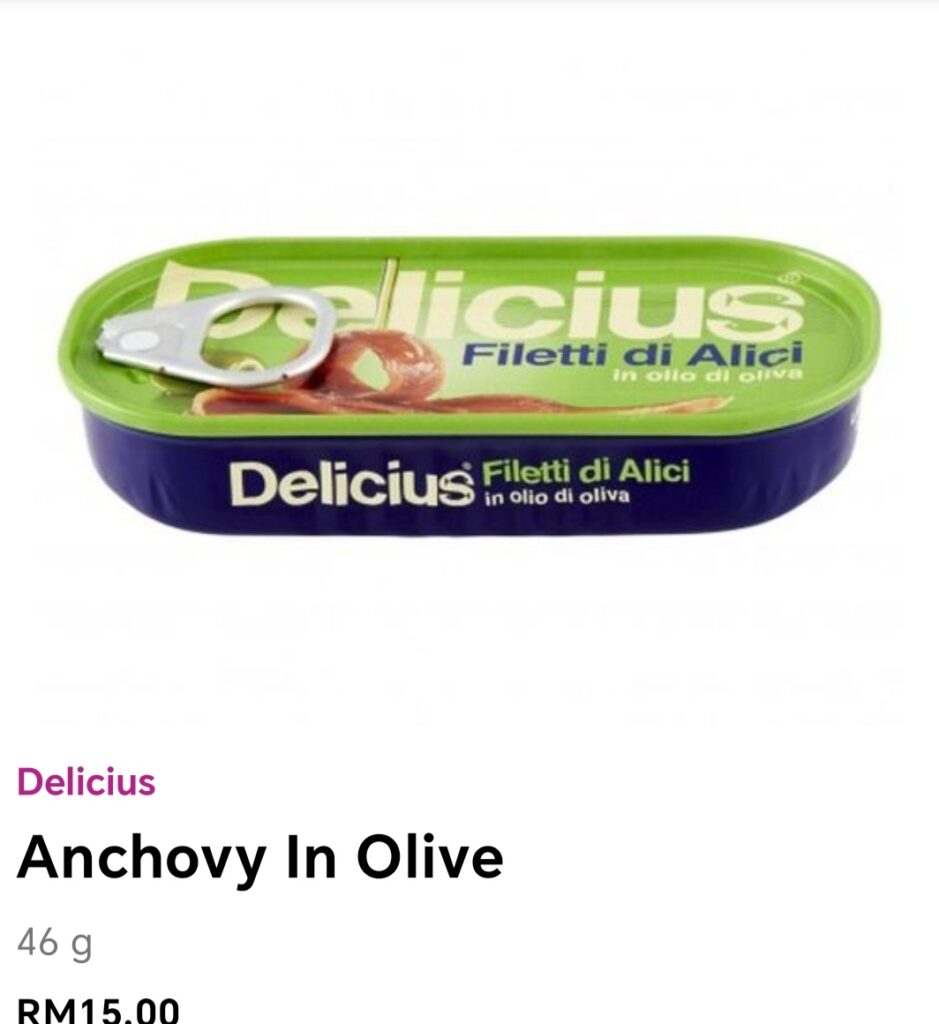
Anchovies Use the Italian canned type in olive oil, not the Malaysian ikan bilis, in case you’re unsure (I got mine at AEON at RM15 for a 46g can) They melt into the onions as they cook, adding a deep savoury umami that makes the relish taste full-bodied rather than fishy.
Butter lends richness and a subtle nuttiness that complements the sweetness of the onions.
Neutral cooking oil raises the smoke point of the butter, allowing the onions to cook slowly without the butter burning. Use a neutral oil such as canola, sunflower or vegetable oil.
Garlic adds another layer of savoury flavour and aroma. Add it towards the end so it doesn’t burn or turn bitter during the long cooking time.
Sugar isn’t there to make the relish sweet. It simply encourages the onions to caramelise more evenly and enhances their natural sweetness.
A touch of tomato ketchup (optional) adds a touch of sweetness, acidity and body. I often use it because it’s a pantry staple in many Malaysian homes, making it a more accessible substitute for tomato paste.
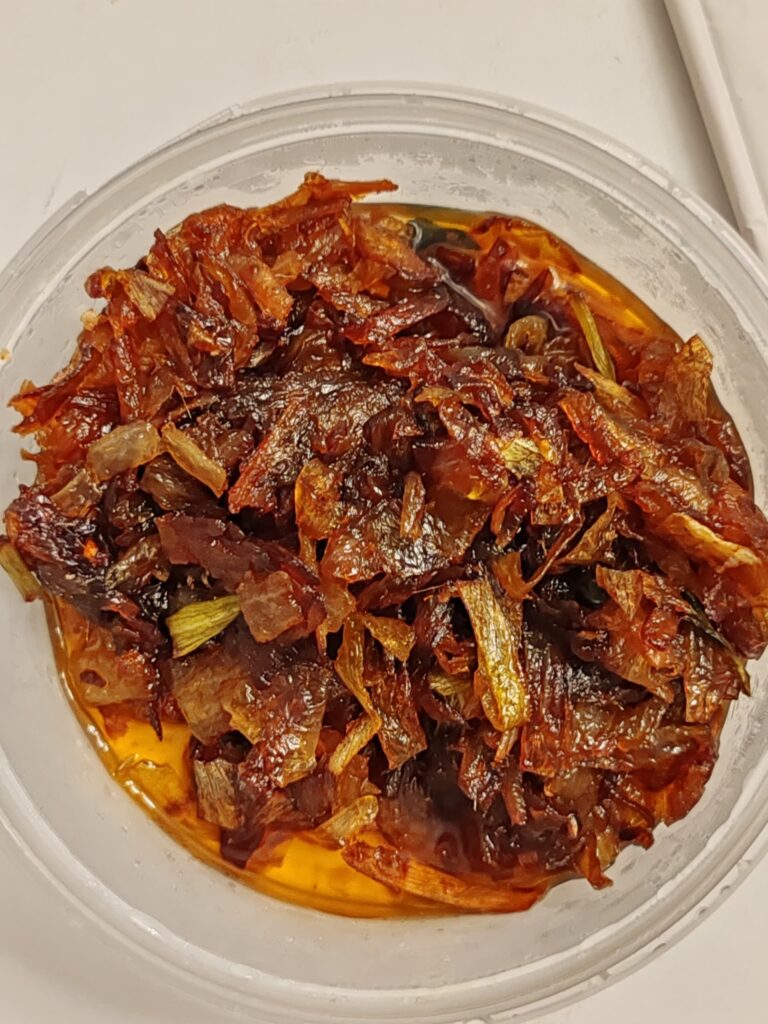
Key tips
Be patient. Proper caramelisation takes time. Rushing the onions over high heat won’t produce the same deep sweetness.
Use both butter and oil. The butter provides flavour while the oil helps prevent it from burning.
There’s no need to chop the anchovies too finely. They’ll dissolve naturally into the onions as they cook.
Taste before adding salt. The anchovies usually provide more than enough seasoning.
This relish tastes even better the next day after the flavours have had time to develop.
Storage
Keeps in the refrigerator for up to one week in a clean airtight container.
How to use Caramelised Onion & Anchovy Relish
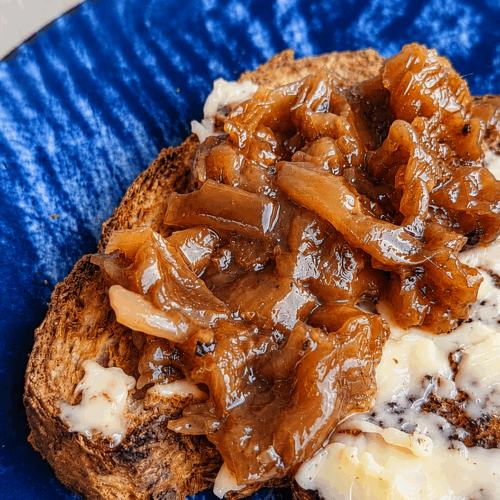
1. On Toast
Spread over toasted sourdough. Add ricotta, cream cheese or burrata and finish with cracked black pepper.
2. Roti Galette
Spread over a partially baked frozen roti canai. Top with roasted cherry tomatoes and Parmesan before baking until crisp. Finish with rocket or basil.
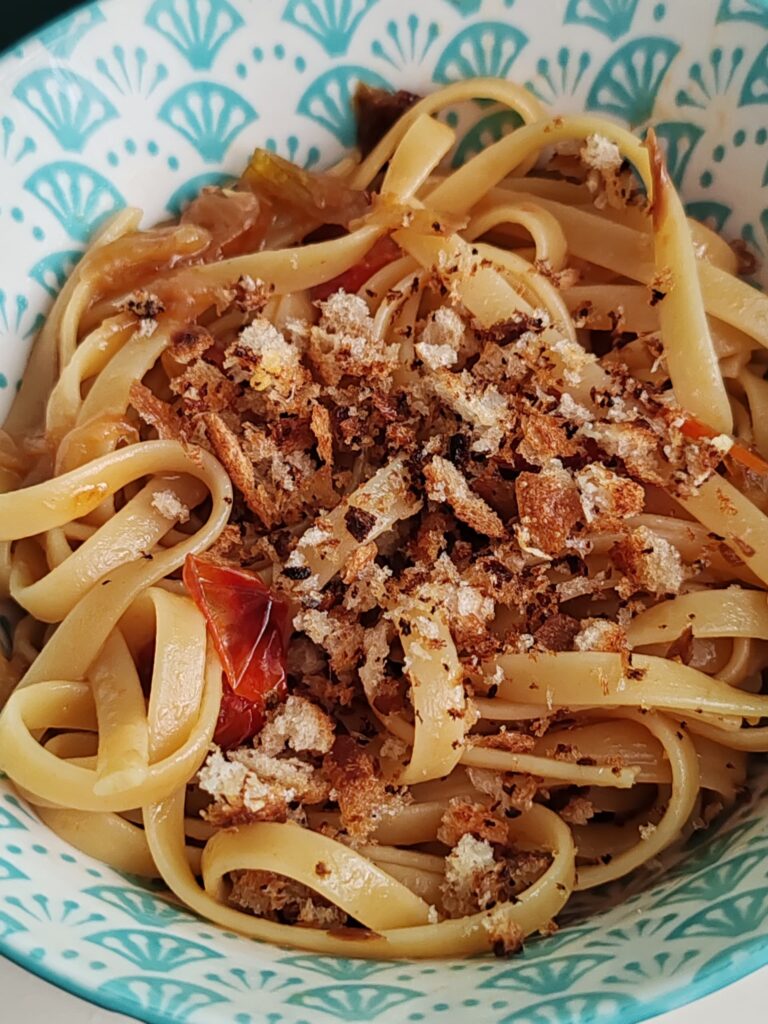
3. Pasta
Reserve a little pasta cooking water, then toss the relish with hot spaghetti, a knob of butter and grated Parmesan. Finish with parsley and lemon zest.
4. Burgers
Spread inside beef or chicken burgers instead of ordinary onions.
5. Pizza
Use instead of tomato sauce for a white pizza with mozzarella and roasted mushrooms.
6. Sandwiches
Mix with mayonnaise and spread onto roast beef or chicken sandwiches.
Love strong funky relishes? Try my sambal hijau!
Caramelised Onion & Anchovy Relish
Equipment
- Chopping board
- Nonstick saucepan
Ingredients
- 4 large yellow onions thinly sliced
- 3 tbsp butter
- 2 tbsp neutral oil
- 4 cloves garlic finely chopped
- 1 can anchovies including oil I use a 46g can
- Pinch of sugar
- 1 tbsp tomato ketchup optional
- Freshly ground black pepper
Instructions
- Heat the butter and oil in a large frying pan over medium-low heat.
- Add the sliced onions and cook gently, stirring regularly.
- Sprinkle in the sugar to help the onions caramelise.
- Continue cooking until the onions become deeply browned and jammy but not burnt, about 30 minutes.
- Add the garlic and cook for another minute until fragrant.
- Stir in the anchovies. They will gradually melt into the onions.
- Add the tomato ketchup, if using, and cook for another 2-3 minutes.
- Season with black pepper. Taste before adding any salt.
- Cool completely before storing in a sterilised jar.
Notes
Caramelised Onion and Anchovy Relish - Quick FAQ
- Can I use shallots instead of yellow onions?
Yes, but the result will be different. Shallots are naturally sweeter and cook down faster, producing a softer, more intensely flavoured relish. They also tend to be more expensive if you're making a large batch. For the best balance of sweetness, texture and value, I recommend yellow onions, but a combination of yellow onions and shallots works wonderfully too.
No. The anchovies melt into the onions and provide umami rather than a strong fish flavour. 3. Can I freeze it?
Yes. Freeze in small portions and thaw overnight in the refrigerator. 4. Can I omit the ketchup?
Certainly. It simply adds a little sweetness and acidity. 5. Do I need to add salt?
Usually not. Taste first because the anchovies are naturally salty. 6. Can I make it vegetarian?
The onions alone make a delicious onion jam, although you'll lose the savoury umami from the anchovies.

Alexandra Wong is a Malaysian food writer, recipe developer and the author behind Cook With Ipohbunny. She shares practical family recipes, restaurant recreations and home-cooking tips inspired by Malaysian Chinese cuisine.